

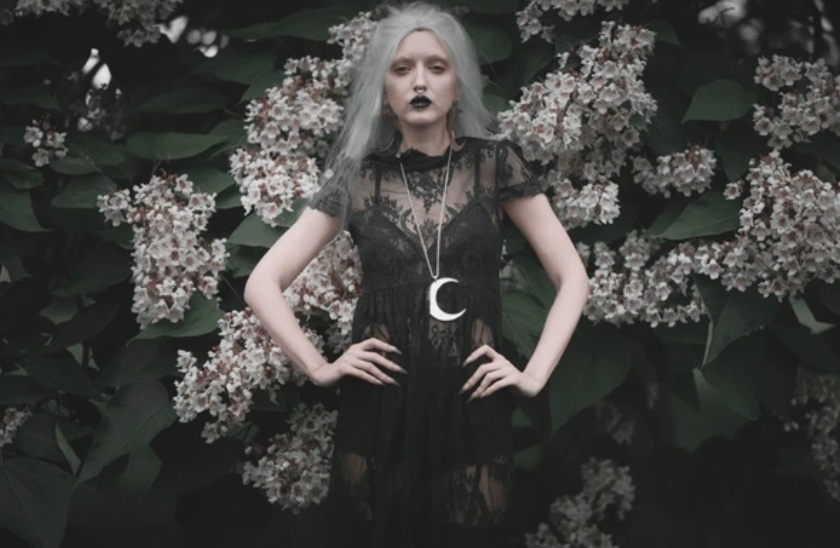
The Allure of Gothic Fashion
Gothic fashion is often characterized by its dark, mysterious, and romantic aesthetic. Emerging in the late 1970s and 1980s, this style resonates deeply with individualism and subversion of mainstream fashion. At the heart of this aesthetic lies the iconic gothic dress, which combines dramatic silhouettes, intricate lace details, and rich fabrics like velvet and silk. In recent years, a trend has emerged that marries vintage aesthetics with modern sensibilities, pushing the boundaries of traditional gothic fashion.
Understanding Vintage Influences
Vintage fashion holds a unique charm that speaks to nostalgia and timeless elegance. In the context of gothic fashion, vintage elements can be traced back to historical styles such as Victorian, Edwardian, and even early 20th-century looks. These eras featured high collars, corsets, and elaborate prints, which contribute to the dramatic flair often seen in modern gothic outfits. By incorporating vintage pieces, enthusiasts of gothic fashion can create a layered look that tells a story.
Modern Interpretations of Gothic Style
On the other hand, modern gothic fashion embraces contemporary cuts, fabrics, and designs. Designers are now exploring more minimalist approaches while still capturing the essence of gothic themes. For instance, sleek silhouettes and avant-garde elements can be found in today’s gothic dresses, allowing for a fresh take on this established genre. Combining vintage accessories with modern pieces creates a balanced ensemble that appeals to various tastes.
Key Pieces for Mixing Styles
When blending vintage and modern elements in gothic fashion, there are several key pieces to consider:
- Gothic Dresses: These form the foundation of any gothic ensemble. Opt for a vintage-inspired dress with lace overlays or ruffles, and blend it with contemporary accessories.
- Layering Items: Capes, shawls, and boleros can add that vintage touch, while modern cuts create a chic silhouette.
- Footwear: Mix classic Victorian-style lace-up boots with modern chunky heeled shoes. This offers a striking contrast in your look.
- Accessories: Vintage brooches, chokers, and statement jewelry can elevate an outfit, while sleek modern pieces provide balance.
Creating a Cohesive Look
To effectively mix vintage and modern elements in gothic fashion, cohesion is key. Selecting a color palette can help bring together different styles. Classic gothic colors such as black, deep red, and rich purple can serve as a foundation. Incorporating metallics or even pastels in accessories allows for personalization and modernity without overwhelming the gothic theme.
Additionally, consider the fabrics you choose. Pairing luxurious vintage materials with contemporary designs can create an intriguing juxtaposition. For example, a vintage velvet dress topped with a modern leather jacket leads to a multidimensional look.
Confidence is Key
Ultimately, the most crucial aspect of mixing vintage and modern in gothic fashion is confidence. When wearing a gothic dress or any piece from your wardrobe, embracing your individuality will shine through, regardless of the styles you blend. Productive self-expression is what gothic fashion celebrates, allowing you to curate a look that resonates with who you are.
Fashion as Personal Art
Mixing vintage and modern styles in gothic fashion offers a vast canvas for personal expression. The beauty lies in experimentation—testing what resonates with your aesthetic while keeping gothic traditions alive. So go ahead, layer those vintage skirts with modern turtlenecks, and let your imagination be your guide. Each piece you combine tells your unique story, reflecting a fusion of past and present into a truly captivating gothic style.